

This article was created by a student taking part in the English Wizards internship programme. The author’s perspective is preserved; English Wizards provides editorial review, fact-risk corrections and presentation.
Poland is a country where tradition is not locked away in museums or history books. Instead, it quietly shapes everyday life. Ancient rituals coexist with modern routines, and national holidays come with customs that may seem unusual — or even puzzling — to outsiders. For foreigners living in or visiting Poland, these traditions often reveal themselves slowly: through family gatherings, seasonal celebrations, or small social gestures that carry deeper meaning. From candlelit cemeteries in November to playful water fights in spring, Polish customs reflect a strong connection to history, community, and shared memory. This article explores several traditions that continue to surprise foreigners and explains why they remain so important in contemporary Poland.
Śmigus-Dyngus — Easter Monday and the Art of Getting Wet
One of the most unexpected Polish traditions takes place the day after Easter. On Easter Monday, known as Śmigus-Dyngus, people splash one another with water — sometimes gently, sometimes with great enthusiasm. For foreigners encountering it for the first time, the sight of soaked teenagers running through streets and parks can be both amusing and confusing. The custom has its roots in pre-Christian spring rituals connected to cleansing and fertility. Water symbolized renewal and the arrival of new life after winter. Over time, the tradition became part of Easter celebrations. Historically, young men would splash young women, often as a form of playful courtship. Today, the practice is far more democratic: anyone can become a target. In modern cities, Śmigus-Dyngus often takes the form of water guns, balloons, or organized outdoor events. While some people choose to avoid it entirely, most Poles see the day as harmless fun — a joyful release after long winter months.
Bread and Salt — Hospitality as a Ritual
Polish hospitality is not only generous but deeply symbolic. One tradition that surprises many foreigners appears at weddings and important family celebrations. Known as chleb i sól (bread and salt), the ritual involves greeting guests — or newlyweds — with a loaf of bread and a small dish of salt. Bread represents abundance, stability, and life itself. Salt symbolizes durability and the strength to endure hardship. When a bride and groom break off pieces of bread, dip them in salt, and eat together, they are symbolically accepting both joy and difficulty as part of their shared future. This respect for hospitality also extends to everyday life. Visitors to Polish homes are often offered tea or coffee immediately, usually accompanied by something sweet. For foreigners, declining can feel awkward, as hosts may insist. Accepting, even briefly, is considered a sign of politeness and appreciation.
All Saints’ Day — Cemeteries Filled with Light
Every year on November 1st, Poland experiences one of its most visually striking and emotionally powerful traditions. On Wszystkich Świętych (All Saints’ Day), families travel

across the country to visit cemeteries and honor deceased relatives. What surprises foreigners is not only how many people participate, but the atmosphere itself. As evening falls, cemeteries become seas of light. Thousands of candles flicker on graves, illuminating entire hillsides and pathways. The effect is solemn yet beautiful, creating a sense of collective remembrance. Streets near cemeteries are often closed to traffic, and public transport runs on special schedules to accommodate visitors. Unlike more commercial or festive approaches to death seen elsewhere, the Polish tradition emphasizes reflection and continuity. Children accompany adults, learning that remembrance is not something to fear, but something shared.
Wigilia — A Meat-Free Christmas Feast
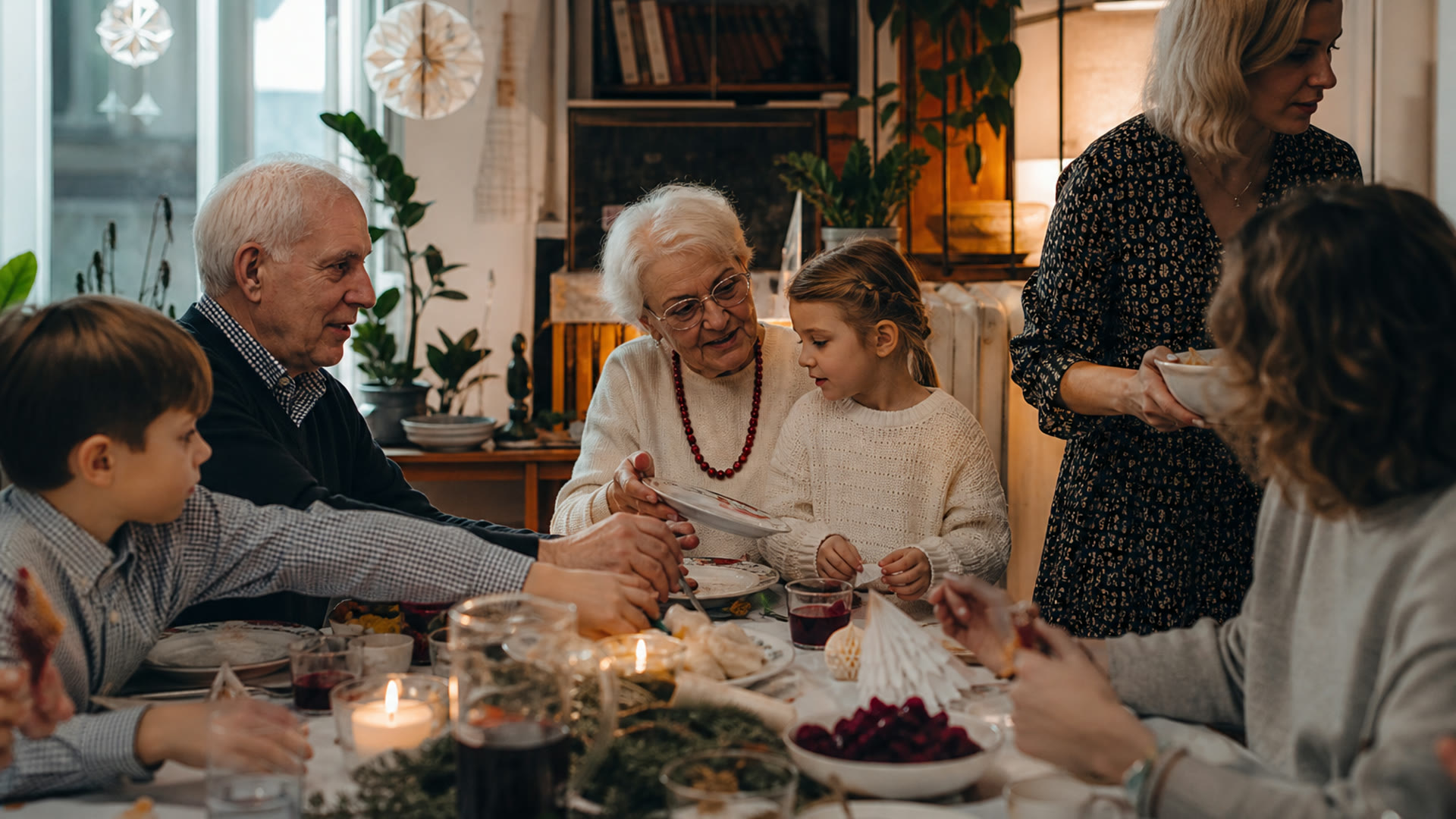
In many cultures, Christmas celebrations focus on abundance and rich food. In Poland, however, the most important moment comes on Christmas Eve with Wigilia — a festive supper that traditionally contains no meat. The meal begins when the first star appears in the sky, symbolizing the Star of Bethlehem. Before eating, family members share opłatek, a thin wafer, while exchanging wishes for health and happiness. An extra place is often left at the table for an unexpected guest or an absent loved one. Despite the lack of meat, the table is full: fish, pierogi, beetroot soup, cabbage dishes, and poppy seed desserts create a meal that is both humble and rich in meaning. For foreigners, the absence of meat at such an important feast can be surprising, but for Poles, Wigilia is about restraint, gratitude, and togetherness rather than excess.
Name Days — Celebrations Beyond Birthdays
Another custom that often confuses newcomers is the celebration of imieniny, or name days. Each day of the year is associated with specific names, usually drawn from saints’ calendars. When someone’s name day arrives, friends, colleagues, and family may offer flowers, sweets, or kind wishes. In some households, name days are celebrated more enthusiastically than birthdays. They are less about age and more about social connection. For foreigners unfamiliar with the concept, receiving congratulations on an apparently random date can feel unexpected — but it reflects the Polish emphasis on tradition and shared cultural references.
Andrzejki — Fortune Telling with a Sense of Humor
On the night of November 29th, Poland celebrates Andrzejki (St. Andrew’s Day), a tradition focused on fortune telling. Originally associated with young women hoping to learn about future marriages, the celebration has evolved into a social event enjoyed by people of all ages. The most popular custom involves melting wax and pouring it through a keyhole into cold water. The shapes that form are interpreted as symbols of the future. Although few people take these predictions seriously, the ritual is enjoyed for its atmosphere — dim lights, candles, laughter, and imagination. For foreigners, Andrzejki can feel like a charming blend of superstition and play. It reflects an old belief that certain nights allow a glimpse into what lies ahead, even if only for fun.
A Culture That Lives Its Traditions
Polish traditions continue to surprise foreigners because they are not staged performances — they are lived experiences. Whether through solemn remembrance, shared meals, or playful rituals, these customs connect generations and create a sense of belonging. In a rapidly changing world, Poland shows that tradition can adapt without disappearing. For those willing to observe and participate, these practices offer insight into a culture that values memory, community, and continuity just as much as progress.
