


Poland is a country rich in history, culture and natural beauty. Each region has its own distinct character, offering experiences that reflect the nation’s diverse heritage. From the medieval charm of Krakow to the lakes of Masuria, Poland is a treasure trove of discovery. If this is part of a bigger move, English Wizards’ guide to moving to Poland provides the practical companion to this regional introduction.
This article was created by a student taking part in the English Wizards internship programme. The author’s perspective is preserved; English Wizards provides editorial review and presentation.
1. Mazovia (Mazowsze)
Warsaw: The Heart of Poland
Mazovia, the central region of Poland, is anchored by Warsaw, the nation’s capital and a city that embodies resilience and modernisation. Warsaw’s skyline, dominated by the Palace of Culture and Science, tells the story of a city rebuilt with determination after the devastation of World War II. The landmark now houses theatres and museums and provides a panoramic view over a city that blends historical grandeur with contemporary life.
Walking through Warsaw, you’ll see the contrast between the rebuilt Old Town – a UNESCO World Heritage site – and the city’s modern districts. The Royal Castle and colourful Market Square are icons of Warsaw’s revival, meticulously restored after the war to preserve the city’s historical character.
Warsaw is not just about history. The Vistula River, with its promenades and beaches, becomes a centre of activity in the warmer months. The riverbanks host open-air events, markets and concerts that complement the city’s cultural scene. For another personal view of the capital, read Wendy’s guide to Warsaw’s hidden secrets.
Culinary highlight: pierogi
Pierogi, Poland’s cherished dumplings, come with fillings ranging from meat, cheese and potatoes to seasonal fruit. Whether you try them in a classic restaurant or a local milk bar, they are an accessible introduction to Polish comfort food.
Best time to visit: spring and summer
Warsaw is a year-round destination, but spring and summer bring its parks, riverbanks and long evenings to life.

2. Lesser Poland (Malopolska)
Krakow: A Timeless Treasure
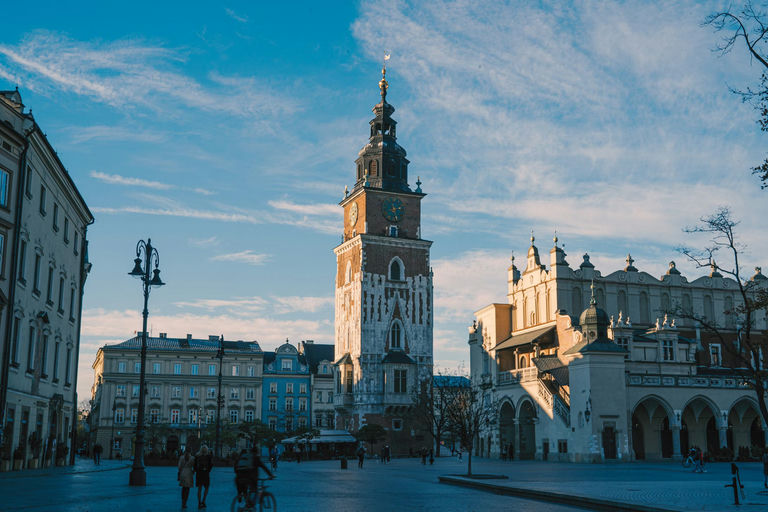
In the south of Poland, Lesser Poland’s crown jewel is Krakow, a city where history resonates around almost every corner. As Poland’s former royal capital, Krakow holds some of the nation’s most important cultural and historical treasures. Wawel Castle stands above the Vistula River as a symbol of that past, while nearby Wawel Cathedral deepens the historical significance of the hill.
Krakow’s Old Town, a UNESCO World Heritage site, is a showcase of medieval architecture. At its heart is the Main Market Square, with the Cloth Hall and the distinctive towers of St Mary’s Basilica. The hourly call of the Hejnal Mariacki keeps a tradition alive that has endured since the Middle Ages.
Kazimierz: the historic Jewish quarter
Kazimierz was once an important centre of Jewish life in Poland. Today, synagogues, museums, cafes and restaurants create a district in which history and modern city life meet. The Galicia Jewish Museum and Oskar Schindler’s Enamel Factory offer deeper insight into Jewish heritage and the history of the Holocaust.
Zakopane and the Tatra Mountains
South of Krakow lies Zakopane, often referred to as Poland’s winter capital. At the foot of the Tatra Mountains, it is a gateway for skiing in winter and hiking in summer. The town’s distinctive wooden architecture, highlander music, traditional dances and handicrafts add a cultural dimension to its mountain setting.
Culinary highlight: highlander flavours
Start in Krakow with an obwarzanek krakowski, the city’s chewy ring-shaped bread. Further south, oscypek – smoked sheep’s cheese often grilled and served with cranberry sauce – provides a taste of the region’s highlander traditions. Being a Foodie in Krakow adds another community perspective on eating around the city.
Best time to visit: year-round
Krakow works in every season. Winter adds Christmas-market atmosphere, while summer suits outdoor activities and cultural festivals. Zakopane serves as both a winter sports base and a summer hiking retreat.

3. Silesia (Slask)
Katowice: an industrial region transformed
Silesia has undergone a remarkable transformation. Once defined internationally by coal mines and heavy industry, the region now pairs that heritage with a growing cultural scene. Katowice’s Silesian Museum occupies part of a former coal-mine site and presents regional history alongside Polish art.
The city is also known for music. The Polish National Radio Symphony Orchestra has a major concert hall here, while the annual OFF Festival attracts alternative artists and audiences from Poland and abroad.
Wroclaw: a city of bridges and dwarfs
Wroclaw is one of the country’s most picturesque cities. Its Market Square is framed by colourful townhouses and a Gothic Town Hall, while Ostrow Tumski, the oldest part of the city, has been a spiritual centre for centuries.
The city’s tiny bronze dwarfs began as a reference to the anti-communist Orange Alternative movement and have become a much-loved part of the cityscape. Looking for them turns an ordinary walk into a small urban treasure hunt.
Culinary highlight: Silesian tradition
Kluski slaskie, soft potato dumplings served with rich sauces, are a regional staple. Rolada slaska – beef roulade filled with bacon, onion and pickles – offers another classic taste of Silesian cooking.
Best time to visit: spring and autumn
Mild weather makes spring and autumn comfortable for combining urban culture with the wider region’s green spaces.

4. Pomerania (Pomorze)
Gdansk: a city of freedom
Pomerania stretches along the Baltic Sea and combines maritime history with long beaches and coastal landscapes. Gdansk is one of Poland’s most important port cities and a symbol of freedom and resilience. Its historic centre, narrow streets and tall brick churches create an instantly recognisable cityscape.
The Motlawa waterfront is lined with historic buildings and monuments. The medieval Crane recalls the city’s trading history, while the European Solidarity Centre tells the story of the movement that helped bring communist rule in Poland to an end.
Sopot and Gdynia
Sopot is known for its beach, spa tradition and long wooden pier. Nearby Gdynia brings modernist architecture and maritime museums into the Tricity mix. From Gdynia, travellers can continue towards the beaches and fishing towns of the Hel Peninsula.
Culinary highlight: coastal flavours
Fresh fish and Baltic-influenced dishes take centre stage along the coast. Kashubian-style herring is one regional classic worth looking for.
Best time to visit: summer
Summer offers the best chance to combine the Tricity’s museums and architecture with its beaches, festivals and outdoor life. Ayanda’s journey to the Baltic Sea shows what that trip can feel like from a newcomer’s point of view.

5. Masuria (Mazury)
The land of a thousand lakes
Masuria is a region of forests and interconnected lakes in north-eastern Poland. It is a natural fit for sailing, kayaking, swimming and fishing, while the Masurian Landscape Park protects a large area of woodland, water and wildlife.
Mikolajki: a sailing base
Mikolajki sits between large lakes in the heart of the region and is a popular starting point for sailing trips. Its marina, cafes and waterside restaurants make it easy to slow down between days on the water.
Gizycko: a gateway to adventure
Gizycko is another important base for water sports. The nineteenth-century Boyen Fortress adds a historical stop, while boat routes open up the region’s network of lakes and canals.
Culinary highlight: fresh and local
Fish is central to Masurian cooking, including fried pike-perch. Wild mushrooms also appear in soups, sauces and traditional dishes across the region.
Best time to visit: summer
Warm weather makes summer the most practical season for swimming, sailing and long days outdoors.
6. Subcarpathia (Podkarpacie)
Rzeszow: gateway to the Bieszczady Mountains
Subcarpathia is a region of rolling hills, forests and less-developed landscapes in south-eastern Poland. Rzeszow, the regional capital, has a compact Old Town and serves as a practical gateway towards the Bieszczady Mountains.
The Bieszczady Mountains: a quieter escape
The Bieszczady offer rolling ridgelines, meadows and dense forest. Much of the landscape is protected, and its distance from Poland’s largest cities creates a sense of space that can be difficult to find elsewhere.
Sanok: history and art
Sanok is known for wooden architecture and a large open-air ethnographic museum. The town also houses a significant collection by Zdzislaw Beksinski, the Polish painter recognised for his surreal and dystopian work.
Culinary highlight: hearty and local
Proziaki, small soda breads cooked on a hot plate, are a regional speciality commonly served with butter or cheese. Sour cabbage soups with smoked meat reflect the mountain region’s practical, warming food traditions.
Best time to visit: late spring to early autumn
This period offers the most accessible hiking conditions and the best chance to experience the region’s landscapes on foot.
One country, many different stories
Poland’s regions are as diverse as they are fascinating, each offering a different window into the country’s history, culture and natural beauty. Whether you are exploring a busy city, relaxing by a lake or hiking in the mountains, every corner has a story to tell. Students considering a longer stay can continue with the complete guide to studying in Poland.
