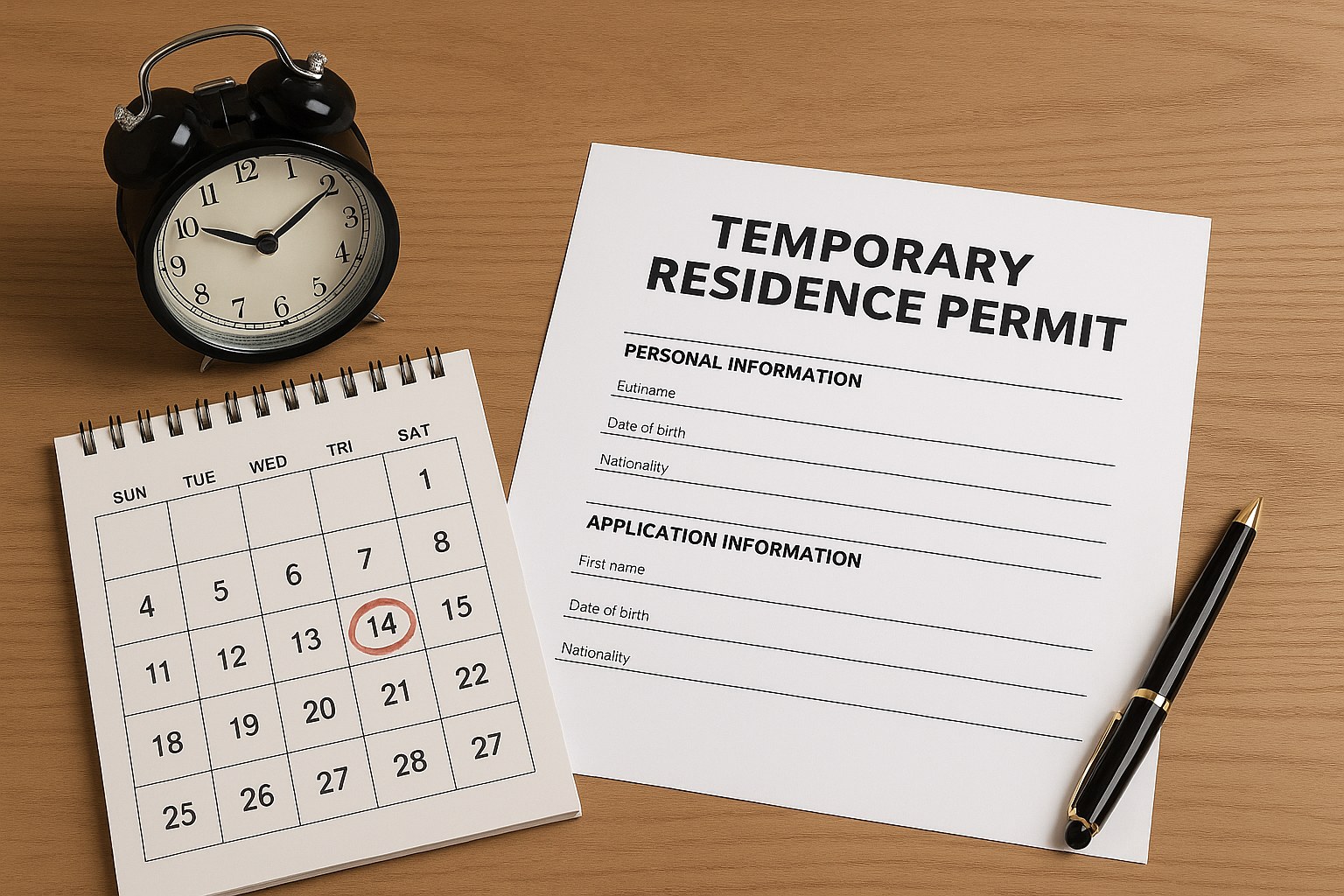
Get Your Residence Card Faster? 7 Ways to Expedite the Temporary Residence Permit Process in Poland
Expedite TRC Application in Poland is the question nearly every foreigner eventually reaches. The Temporary Residence Card process is slow, inconsistent, and often silent for months at a time. Offices are overloaded, inspectors manage impossible caseloads, and even simple oversights can quietly push your file to the back of the queue.
That doesn’t mean you’re stuck. There are steps that reliably move applications forward, remove unnecessary delays, and help you avoid the traps that keep most people waiting far longer than necessary. These methods come from years of watching thousands of cases succeed, stall, and recover across different voivodeships.
Poland has begun rolling out major immigration reforms in 2025. Some changes now apply nationally, while others are being implemented gradually by individual voivodeship offices. Before working on your case, review the full breakdown here: 2025 Immigration Reforms – Complete Guide.
These updates affect processing logic, file handling, and how inspectors respond to incomplete or delayed submissions.
This guide reflects those changes and introduces a new support ladder. If you want to manage everything yourself, every actionable step is here. If you want your TRC application reviewed, corrected, and properly prepared for filing for $195, that service is now available. If you prefer ongoing support or full power of attorney representation, those upgrades exist as well.
Your goal is simple: follow the sequence, avoid the common mistakes, and use the system intentionally instead of waiting for the office to remember you exist.
If you want professional support without agency-level pricing, our team can review your TRC documents and complete the entire application form for $195 (~700 PLN). This includes clear, city-specific instructions on how to submit it correctly. Order this here.
If you need personal clarity before starting, you may book a $50 consultation instead: Book a Consultation.
1. Submit your application in person
While sending your application in by mail might seem like the easiest and quickest option, and indeed it is always an option, in most non-MOS voivodeships it should still be treated as a backup channel rather than your first choice. In many cities it can slow down the process by a few months, or even more, compared with a properly registered in-person submission.
Although some cities only offer the mail-in option (we’re looking at you, Lublin), most non-MOS offices also offer the option to book an appointment to submit everything in person. This is by far the most ideal option, if possible. In cities like Krakow and Wroclaw, appointments are often divvied out on a lottery-based system, so the earlier you put your name on the list, the more likely you’ll snag an appointment before the end of your legal stay.
Many cities (for example Katowice and several smaller voivodeships) also offer the option to walk in, take a number, and wait to be called to submit your application without an appointment. Although less ideal than coming with an appointment, an in-person visit where you hand your documents to a clerk and receive a stamped or signed confirmation is far better than leaving papers with no proof that they were accepted.
MOS cities (e.g. Warsaw): In voivodeships that already use the national MOS system, you cannot start your TRC process by simply turning up with paper forms. You must first submit a complete application through the official MOS platform. Only once the MOS application is filed will you be invited to an in-person visit for fingerprints and document verification. There is no way to skip MOS and “just submit in person” in these cities.
When you can’t get a real appointment: Some offices maintain generic drop-boxes or intake desks where you can leave documents but receive no stamp in your passport and no written confirmation that the application was registered on a specific date. We do not recommend relying on these “black hole” drop points. If you cannot secure an appointment that gives you a stamped passport or a written confirmation, sending your application by registered post with proof of posting is the safer and recommended approach in non-MOS voivodeships.
2. Apply as early as possible, even if your application isn’t complete
Most TRC delays start long before an inspector ever sees your file. Many applicants wait until they “have everything ready” before submitting, believing that an incomplete application slows the process or risks rejection. This is the opposite of how Polish offices work.
What matters most is the date your application is officially registered. Inspectors rarely reach a new file within the first three to four months. That window gives you time to supply any remaining documents before your case reaches an actual desk.
MOS exception: In voivodeships that already use the national MOS system (currently Warsaw, with others joining by 2026), you cannot file a partial application. MOS will only accept your TRC case once all mandatory documents are uploaded. In MOS cities, the “apply early and complete later” logic applies to how quickly you gather and upload a full set; in traditional offices outside MOS, you can still submit early and then supplement your file during those first few months.
You gain nothing by waiting. Even in unusually fast offices, if an inspector opens your file early and sees something missing, the standard response is not rejection. They issue a formal request for additional documents. That request often arrives weeks later by post. Meanwhile, if you had simply filed earlier, the clock would already be running.
The correct approach is simple: submit the application early, then use the waiting period to update, complete, or replace the documents that need refinement. This avoids the silent months where your file could have been moving but wasn’t.
Early submission is the single biggest timing advantage any applicant can control. Treat it as foundational, not optional.
3. Submit additional documentation before anyone asks
Submitting early gives your case a head start, but it only works if your missing documents arrive before the inspector reaches your file. When an application is incomplete, most inspectors push it aside with the intention of returning later. “Later” can easily turn into months. Your goal is to prevent your file from ever landing in that pile.
If you know something is missing — an updated rental agreement, insurance proof, a work contract, bank statements, or anything referenced in the checklist — supply it immediately. Offices rarely penalize proactive submissions. In many cities, this behaviour is viewed as a sign that the applicant is organised and serious, which reduces the chance your case gets shelved.
You should also monitor expiration dates. Insurance policies, market tests, employment contracts, and accommodation documents often lapse before an inspector reviews your file. If anything is expiring within the next sixty days, submit a fresh version before the office asks. This prevents the inspector from pausing your case and issuing a request that delays your timeline further.
Business-based TRC applications require even more attention. Most voivodeships ask for income evidence, ZUS confirmation, tax office validation, and invoices by the six-month mark. If your application has been silent for that long, assume the request is coming and send the documents pre-emptively. This keeps your file moving instead of waiting in line behind slower applicants.
Staying ahead of document requests is one of the fastest ways to avoid preventable delays. Inspectors reward applicants who make their job easier.
4. Check your application status - and the mail - regularly
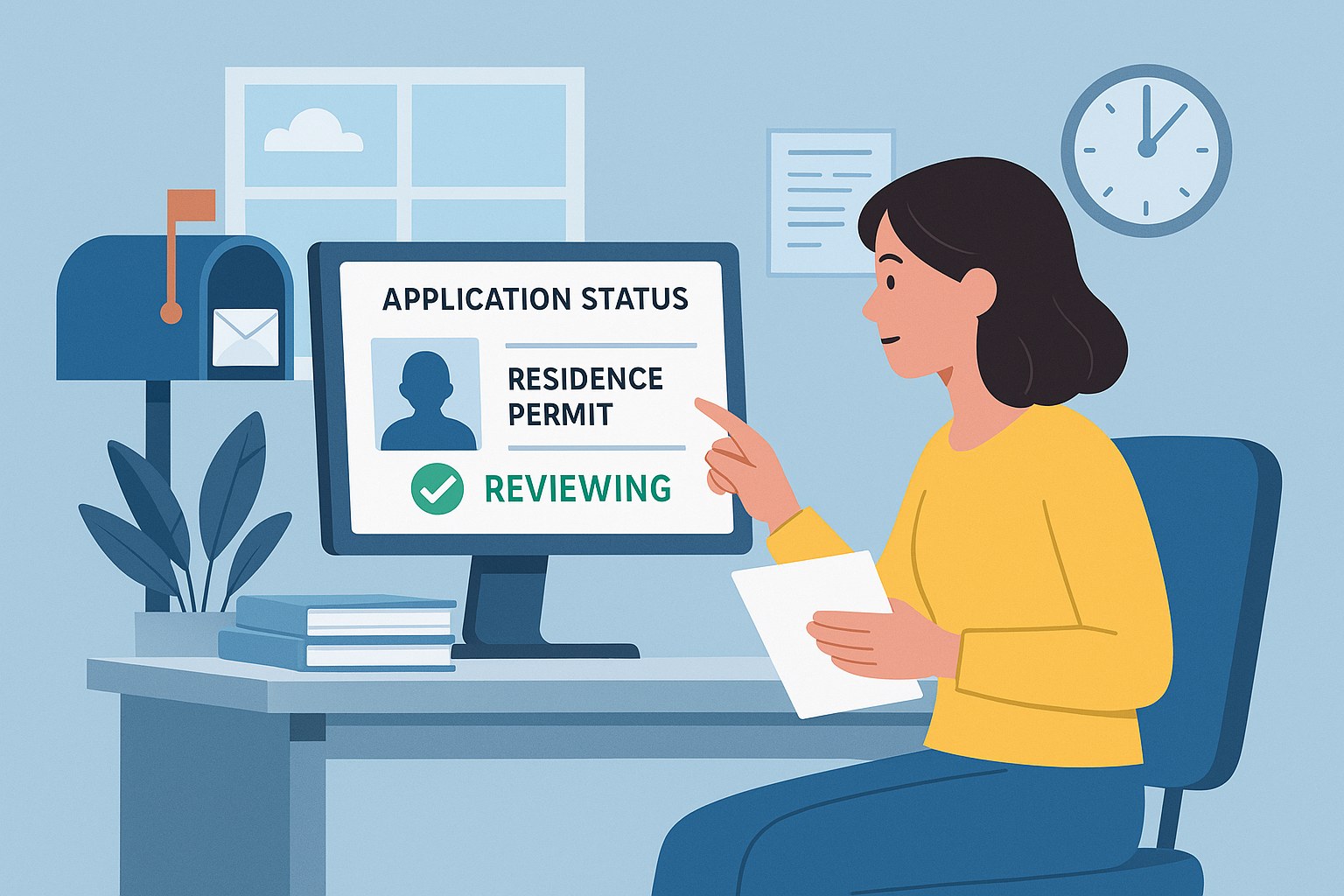
Some voivodeships make this step simple. Warsaw, Wroclaw, and Poznan allow applicants to view basic status updates through their online portals. Even if the updates are vague, they provide early warnings about missing documents or pending actions.
Most cities still rely heavily on postal communication. Letters carry the real updates: requests for additional documents, invitations to submit originals, or notices about gaps in your application. If you do not check your mailbox consistently, you may miss a deadline without knowing it. The office will not accept “I never received the letter” as a valid excuse.
The postal system adds another complication. Awizo slips are often not delivered, and letters sometimes sit uncollected at the post office until they are returned to sender. In practice, this means your case may be paused for weeks while the office waits for you to respond to a letter you never saw.
If you live in a city that communicates primarily by mail, build a routine: check your mailbox daily and visit the post office proactively if you expect a letter. If several months have passed without any update, call or email the help desk to confirm whether a request was already issued. This simple step has rescued many applications from silent failure.
Silence from the office does not mean your case is progressing. It often means your file is sitting still while a letter waits for you somewhere in the system.
5. Ask the inspector for an update
The TRC process can feel mechanical, but your file is handled by a real person. Inspectors are overworked, deal with constant backlogs, and sometimes lose track of files that should have moved forward. If your case has taken longer than the typical timeframe in your voivodeship, there is a real chance it has been forgotten rather than actively delayed.
The most effective option is an in-person meeting with your inspector. Not all offices allow this, and availability varies, but it is worth checking with the help desk. A short conversation can correct misunderstandings, confirm what is missing, or push your file back into the active queue.
If a meeting is not possible, submit a formal reminder letter called a ponaglenie. Address it to your inspector by name, include your case number, explain why timely processing matters in your situation, and attach proof when relevant — travel plans, employer letters, updated contracts, or anything demonstrating urgency.
Ponaglenia must be written in Polish, signed by hand, and submitted in person or by post. Many applicants avoid this step because it feels confrontational. It is not. It is a legally recognised method to remind the office of its obligation to act and is used routinely in administrative proceedings.
When used correctly, a well-timed conversation or ponaglenie can pull your case out of the backlog and into active review.
6. Pursue legal action
Polish and EU law state that residence permit applications must be decided within 60 days. You might be rolling your eyes reading this, as the reality is that the residence permit process always takes much longer than that. But it is the law, so you are well within your rights to pursue legal action through the court.
Important 2025 update: Due to a temporary legal change (Article 100d of the Special Act on Assistance to Ukrainian Citizens), official time limits in many foreigner cases are suspended until 4 March 2026. In practice, this means that even if your case has been pending far longer than 60 days, courts may refuse to hear a complaint about inaction until this suspension ends. Before taking any court step, it is essential to confirm with a lawyer whether a complaint is currently admissible in your specific situation.
We recommend only doing this in the most desperate of cases, as it requires enlisting the help of a lawyer and thus comes at a cost. And it also takes a long time; courts are also government offices with their own backlog of cases. Court records show that about 50% of such cases are won, and most of the remaining 50% were withdrawn, likely because the residence permit was approved before the court could hear the case.
In order to do this, your lawyer will prepare a formal demand letter and a collection of supporting documentation justifying the hardships you’ve faced by waiting such a long time for your residence permit. This will go to your city’s regional court, which will hear the case in usually about 6 months. Assuming they decide in your favor, the court will send the inspector a legal demand letter requiring that they issue a decision on your residence permit immediately.
Downloadable Templates for Legal Action
You can use the templates below if your case experiences excessive delays or requires formal escalation. Make sure all details you provide are truthful and accurate.
These documents are tools. Use them responsibly and only when appropriate for your case.
7. Enlist the help of an immigration agency
Immigration agencies cannot force a decision, skip the queue, or guarantee faster processing. No agency has “special access” inside the voivodeship office. What they do have is experience, pattern recognition, and a clear understanding of how to avoid the mistakes that slow cases down.
The advantage of working with an agency comes from execution, not magic. A skilled specialist knows when a document will cause problems, how inspectors interpret incomplete applications, and which voivodeships are strict about specific details. This prevents delays that most applicants never see coming.
Agencies operating through power of attorney can also manage communication directly with the office. They send and receive letters, supply missing documents, and handle follow-ups without requiring you to monitor everything yourself. For applicants who travel often or have irregular schedules, this alone can prevent missed deadlines.
While agencies cannot create appointment slots when none exist, they understand the booking patterns and quirks of different cities. This helps increase your chances of securing an available date and reduces the trial-and-error most applicants face when refreshing appointment portals.
English Wizards has spent almost a decade working with offices across Poland. Our immigration team has managed cases in nearly every voivodeship and understands how each region processes, delays, and reviews TRC applications. The result is predictable support and fewer surprises, especially for applicants unfamiliar with Polish procedures.
Expert guidance does not remove the legal process, but it removes the uncertainty and prevents the errors that slow it down the most.
8. TRC Support Ladder
The updated version of this guide introduces a clear support ladder. Each level solves a different problem in the TRC process, and you can choose exactly how much help you want based on your confidence, experience, and tolerance for administrative detail.
Level One is for applicants who want to manage everything themselves. The guide you are reading now is enough to complete the process correctly if you follow each step, track all deadlines, and stay ahead of document requests. This path requires discipline, but thousands of applicants take it every year.
Level Two offers a targeted upgrade. For $195, our immigration team reviews your documents for compliance, completes the entire TRC application form, and provides clear instructions for how to submit it in your city or voivodeship. You still file the application yourself, but we eliminate the errors that cause most delays. This is a first for Poland and no-one else provides this service.
Level Three adds long-term support. For $350, you receive remote guidance for the entire duration of your TRC process. This includes help responding to voivodeship letters, identifying missing documents, and understanding what the office is asking. It is ideal for applicants who want independence but do not want to navigate every surprise alone.
Level Four is the premium option. When you want the administrative side handled for you, our specialists take full responsibility through power of attorney. We submit, monitor, respond, and coordinate everything with the office directly. This removes the practical workload from your hands and is the closest option to “done for you” that Polish law allows.
This ladder exists because applicants have different needs. You control how much you do yourself and how much you want delegated. The faster you want clarity, the higher you climb. Order any level here.
TRC Document Pack – The Most Common Forms and Requirements in One Download
Most delays in the TRC process come from missing or incorrect documents. Applicants often find out only after an inspector opens their file months later. To remove that uncertainty, we created a compact document pack that includes the most commonly required items across Poland’s voivodeships.
The pack is designed for applicants who want clarity without paying for full support. It contains the standard forms, checklists, and explanatory notes used in the majority of TRC cases, along with guidance on how to prepare and structure your documents before filing. This reduces basic errors and helps you follow the same preparation rhythm used by experienced immigration specialists.
The pack is updated as national procedures evolve and as offices adopt parts of the new 2025 reforms. It is not a replacement for personalised advice, but it gives you a solid foundation if you prefer handling most of the process on your own.
Most common TRC document requirements
Standard office checklists (employment, business, student cases)
Preparation notes explaining how inspectors usually interpret each document
Formatting tips that reduce the chance of follow-up requests
KPA – Article 12 (zasada szybkości i prostoty postępowania):
Full text available in the KPA above (Article 12 regulates the duty to act thoroughly and quickly in the simplest form).
KPA – Article 35 (deadlines for administrative decisions):
Full text available in the KPA above (Article 35 sets 1–2 month case-handling deadlines, with exceptions).
KPA – Article 37 (ponaglenie / complaint for inactivity):
Full text available in the KPA above (Article 37 defines the ponaglenie mechanism when deadlines are breached).
Polish Ombudsman – reports and interventions on TRC processing delays: https://bip.brpo.gov.pl
FAQ: Temporary Residence Card (TRC) in Poland
How long does a TRC decision really take in Poland?
By law, most TRC applications should be decided within 60 days, and particularly complex cases within two months. In practice, voivodeship offices are heavily overloaded. Real waiting times of 6–18 months are common, depending on the region, your case type, and how quickly you respond to document requests.
There is also a temporary legal change: under a special act related to assistance for Ukrainian citizens, many statutory time limits in foreigner proceedings are suspended until 4 March 2026. This does not stop the office from issuing decisions, but it does affect how “delays” are treated legally and when certain complaints are admissible.
Can I still submit my TRC application by post?
Yes, but how and when you can use post depends on where you live:
MOS cities (e.g. Warsaw): You cannot start your TRC case by post instead of MOS. The application must be initiated online through the official MOS platform. Post is used mainly to send additional documents with your case number, not to file a brand-new application.
Non-MOS voivodeships: You can usually file by registered post. This is often safer than leaving documents in a generic drop-box with no confirmation. If you cannot get a proper appointment that gives you a stamp in your passport or a written confirmation, sending a complete application by registered mail with proof of posting is the recommended approach.
Wherever you apply, keep your postal receipt and tracking, and make sure your case details (name, PESEL or passport, and address) are clearly written on the forms.
What is the difference between MOS cities and traditional voivodeships?
MOS cities use a central online system for residence procedures. You must:
create an application in MOS,
upload all mandatory documents at submission,
wait for an invitation to an in-person visit for fingerprints and document verification.
There is no option to bypass MOS by simply submitting paper forms in person.
In non-MOS voivodeships, you normally have a choice between:
a scheduled in-person appointment (ideal, if it comes with a stamp or written confirmation), or
registered post, especially if the only “in-person” option is a drop-box with no receipt.
What if I never receive a letter or awizo from the post office?
This is a real risk. Offices often send document requests and decisions by registered mail. If the letter is not handed to you directly, a slip (awizo) should be left in your mailbox, but this does not always happen in practice.
Legally, “I never got the letter” is not accepted as a valid excuse for ignoring a request. To protect yourself:
check your mailbox regularly and ask your landlord/flatmates to do the same,
monitor any available online status portal for your voivodeship,
contact the office helpdesk if your case has been quiet for several months and ask if any letters have been sent or returned.
If you suspect a letter was lost, you can ask the office to reissue the decision or request, or to allow you to collect it in person.
Can I file a ponaglenie or court complaint if my case is delayed?
Under the Code of Administrative Procedure, you normally have the right to:
file a ponaglenie (formal reminder) when statutory deadlines are exceeded, and then
file a complaint to the Provincial Administrative Court for inactivity or excessive length of proceedings.
However, due to a temporary legal suspension of deadlines in many foreigner cases until 4 March 2026, courts may refuse to examine complaints about inactivity during this period. Before you invest time and money in a court case, you should consult a lawyer to confirm whether a ponaglenie or court complaint is currently admissible for your specific file and legal basis.
Does using an immigration agency make my case go faster?
No agency can force a voivodeship office to break the queue or issue a decision faster than they choose. However, a good agency can reduce delays that are caused by mistakes, missing documents, or miscommunication.
Practical advantages of working with a competent agent include:
making sure your application is complete and consistent with local practice from day one,
tracking deadlines for insurance, lease contracts, and other expiring documents so you can update them before the inspector asks,
handling correspondence under a power of attorney, which reduces the risk of missed letters and lost time.
This does not guarantee a fast decision, but it does minimise avoidable delays caused by errors on your side.
Can your team help me with my TRC application?
Yes. Our support is designed for people who want to stay in control of their case while avoiding costly mistakes and unnecessary stress.
$195 TRC Application Build & Check: We review your documents, complete the TRC application form for you, and give you clear, city-specific instructions on how to file (MOS, in-person, or post). You handle the submission; we make sure you are properly prepared.
$350 Remote Support Upgrade: Everything above, plus ongoing support by email during your case so you know how to respond to letters, document requests, and status changes.
Premium support with power of attorney (from $995): For complex employment, JDG, or company-based cases, our specialists can act under power of attorney and take formal responsibility for communication with the office.
$50 consultation: If you are unsure which path or service is appropriate, you can start with a focused consultation to map your options and risks.
If you want help, use the consultation link or service CTA in this article and we’ll direct you to the option that fits your situation and budget.
Seven English-first calculators to help foreigners in Poland avoid expensive mistakes with work contracts, B2B taxes, company setup, rental ROI, car leasing, and PKD/VAT choices. Updated for 2026…
Tax clearance certificate Poland – learn the legal basis, ZAP-3 registration, how to find your tax office, and 4 ways to get a personal no-arrears certificate.
by English Wizards |
December 5, 2025 |
Living in Poland
Your privacy choices
We use cookies (not the tasty ones) to keep English Wizards running smoothly and to understand how people move through the site. You choose what extra magic we can use.
Essential
Always active
These cookies are required for the website to work correctly and cannot be disabled.
Preferences
These cookies remember your settings so the site feels consistent every time you visit. They don’t track you — they only store things like language, region, or layout choices.
Analytics
These cookies help us understand how visitors use the site so we can improve it. No personal data is used unless you allow it.The technical storage or access that is used exclusively for anonymous statistical purposes. Without a subpoena, voluntary compliance on the part of your Internet Service Provider, or additional records from a third party, information stored or retrieved for this purpose alone cannot usually be used to identify you.
Personalization
These cookies allow us to use Google Signals and similar tools to personalize content and understand our audience better.